Tell us about the job
Takes about a minute. No obligation.
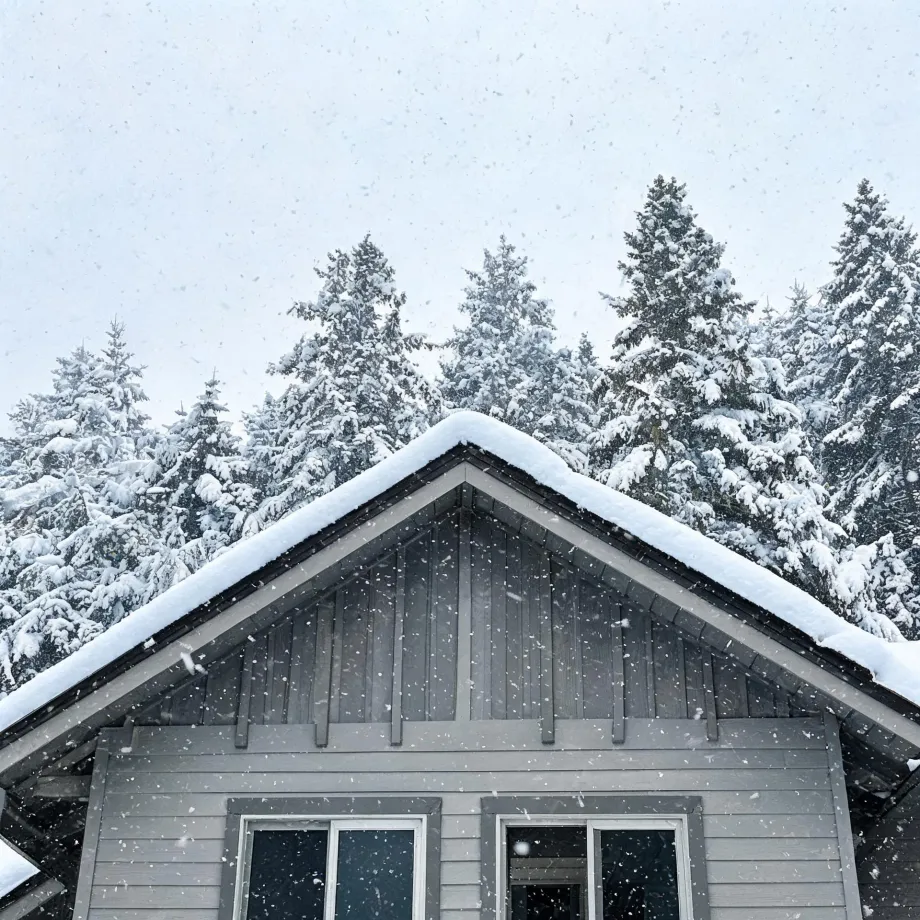
Gas line sizing, venting configuration, and combustion air supply are the first things a contractor establishes before quoting a water heater installation here. Utility gas heats more occupied homes in Washakie County, Wyoming than any other fuel, at 65.9% (2020-2024 ACS 5-year). That share means gas-fired units are what installers in this county fit and know, and it also means a replacement has to be set up correctly for gas from the flue collar out, not adapted from a different fuel type after the fact. A water heater vented or combustion-aired incorrectly can pass a visual check and still back-draft. The contractor has to confirm the existing venting is rated for the new unit's BTU input before anything else gets priced.
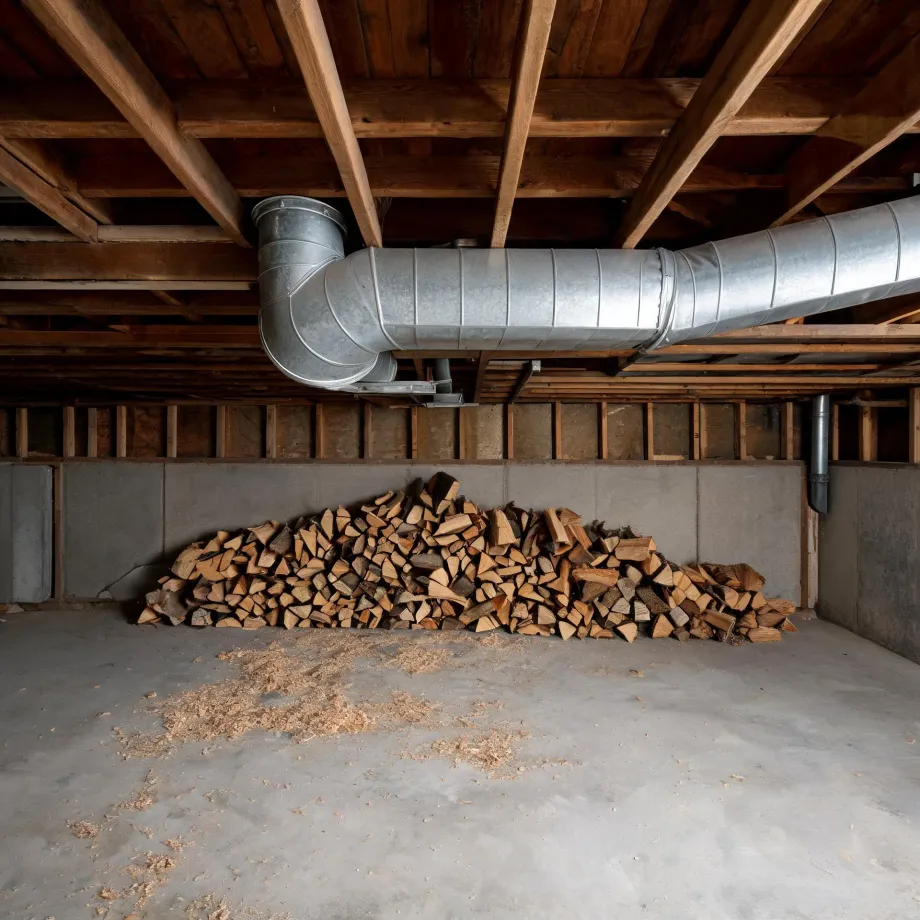
Electrical service is what decides how a water heater installation goes in much of Washakie County's housing stock. Half the homes in Washakie County, Wyoming were built in 1972 or earlier (2020-2024 ACS 5-year). A panel wired for equipment that has since been replaced and replaced again was sized for a smaller draw than a modern unit pulls, and a contractor pricing a new water heater has to establish what the existing service actually handles before the equipment selection is final. If the panel falls short, that work becomes part of the job.
What a Water Heater Installation Covers
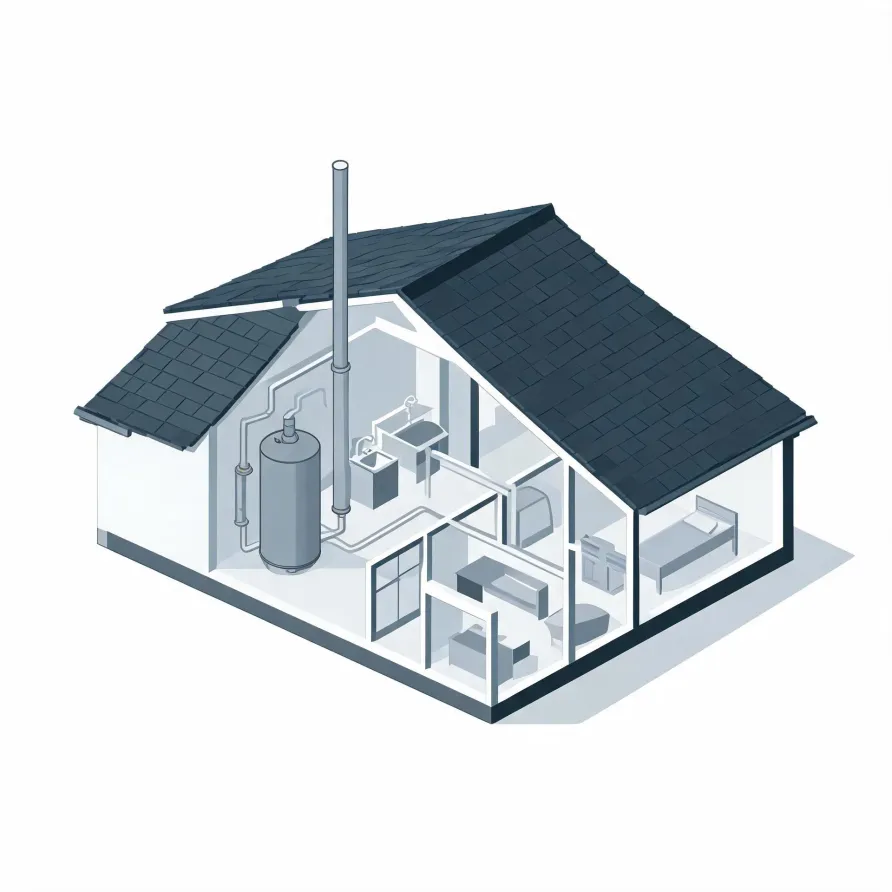
The storage tank is the piece a homeowner notices first. It stands upright in a utility room, basement, or garage and holds the supply of heated water the house draws from. Attached to the top of the tank are the hot and cold water lines that feed the system and carry water out to every fixture.
The pressure relief valve mounts on the side of the tank and opens automatically if pressure or temperature inside climbs too high. The drain valve sits near the base and gives a contractor access to flush sediment. A dedicated gas line or electrical connection runs to the unit and powers the burner or heating element that does the work.
The drawing shows a typical layout, and a licensed contractor determines exactly what applies to this house and its existing setup.
Find a contractor in Washakie CountyWashakie County, by the record
84 severe weather events were recorded in Washakie County, Wyoming between 2015 and 2024.
NOAA National Centers for Environmental Information, Storm Events Database, bulk CSV export, events 2015-01-01 through 2024-12-31.Half the homes in Washakie County, Wyoming were built in 1972 or earlier (2020-2024 ACS 5-year).
U.S. Census Bureau, 2020-2024 American Community Survey 5-Year EstimatesWashakie County, Wyoming holds 3,854 housing units (2020-2024 ACS 5-year).
U.S. Census Bureau, 2020-2024 American Community Survey 5-Year EstimatesOwners occupy 74.2% of the occupied homes in Washakie County, Wyoming (2020-2024 ACS 5-year).
U.S. Census Bureau, 2020-2024 American Community Survey 5-Year EstimatesSevere Weather Events in Washakie County
Washakie County weather puts real demands on water heaters, shortening equipment life and affecting how hard a unit has to work year-round. Knowing the local pattern is part of sizing and installing equipment that holds up.
84 severe weather events, 2015–2024. Source: NOAA National Centers for Environmental Information, Storm Events Database.