
Tell us about the job
Takes about a minute. No obligation.

A contractor quoting a water heater replacement in Big Horn County has to establish what the house runs on before pricing anything else. Utility gas heats more occupied homes in Big Horn County, Wyoming than any other fuel, at 63.5% (2020-2024 ACS 5-year). Gas water heaters vent combustion products and draw combustion air in ways that electric units do not, and a home already piped for gas sets the installation parameters before anyone opens a catalog. Venting that was built for a tank-style gas unit may need reconfiguration for a condensing model, and the draft hood clearances a code inspector checks are specific to gas appliances. Matching the replacement to the fuel the house actually burns keeps the install straightforward and the inspection clean.
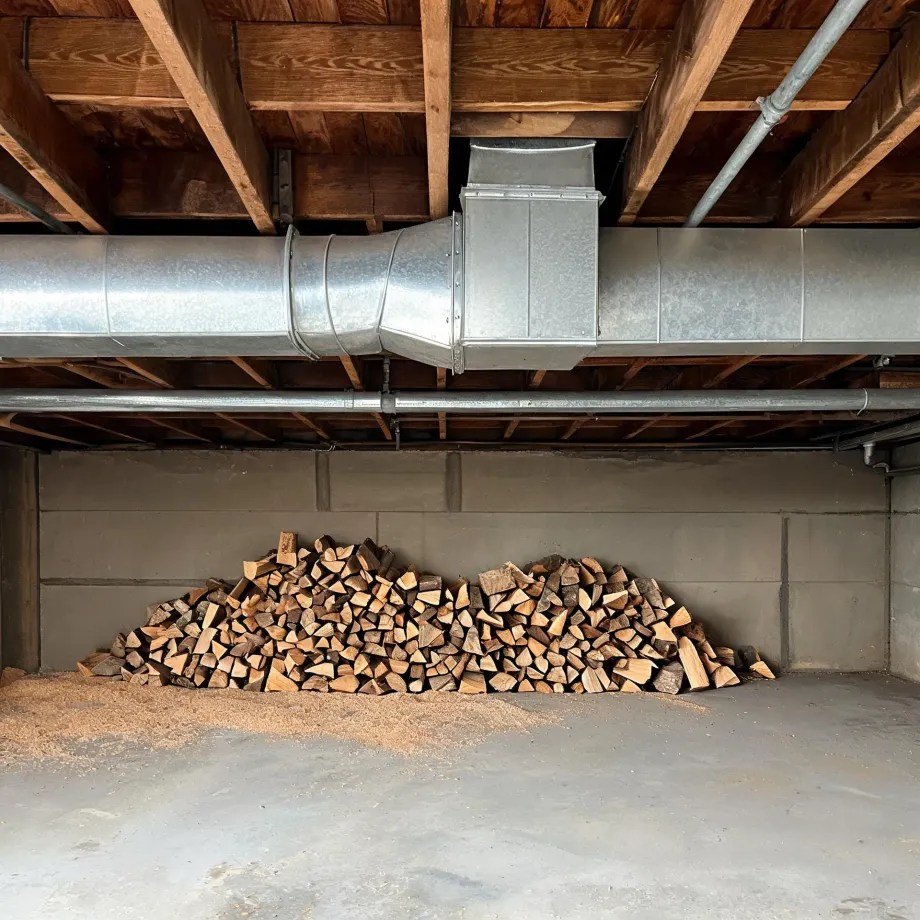
Older electrical panels are where water heater installations in Big Horn County run into real constraints. Half the homes in Big Horn County, Wyoming were built in 1968 or earlier (2020-2024 ACS 5-year). A house built around that period was wired for a load budget that a modern water heater can exceed before anything else is even connected. The panel has to be assessed first, and if it falls short, the electrical work becomes part of the job whether it was in the original quote or not.
What a Water Heater Installation Covers
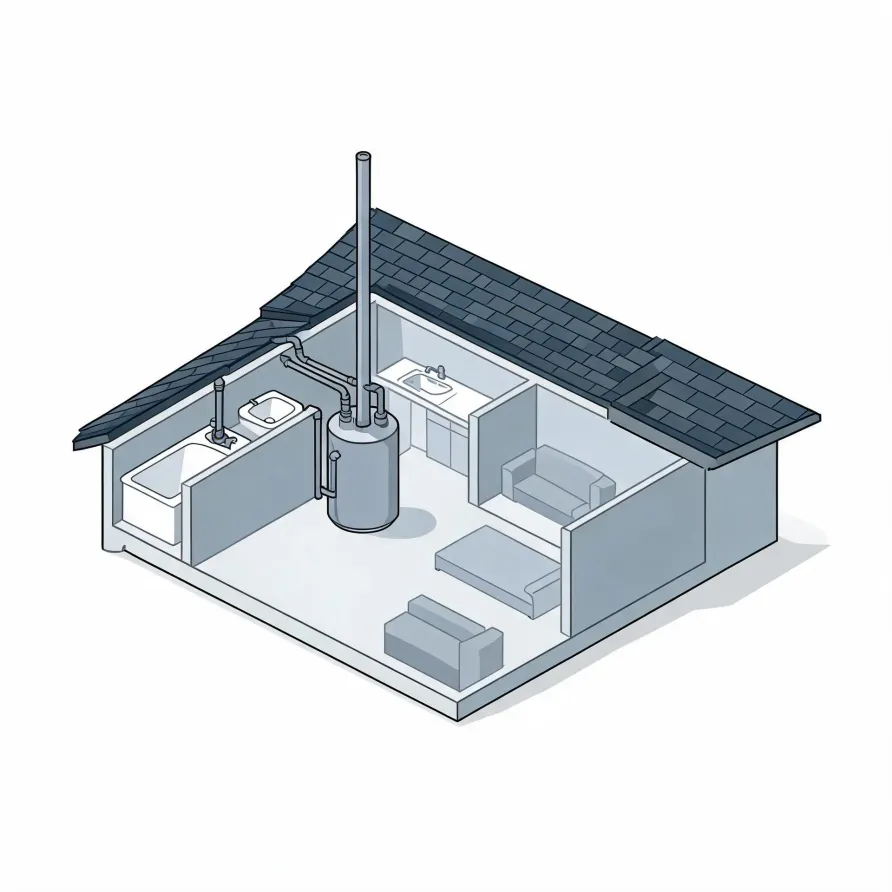
The tank or tankless unit is the center of the system. A storage-tank heater sits in a utility closet, basement, or garage and holds a supply of heated water ready to draw from. A tankless unit mounts to a wall and heats water on demand as it passes through.
Connected to the unit are the cold-water supply line, the hot-water outlet line, and either a gas supply line or dedicated electrical connections, depending on the fuel type. A pressure-relief valve mounts directly on the unit as a safety device, and an expansion tank sometimes sits on the cold-water side to absorb pressure changes in a closed system.
The drawing shows a general layout of these components, and a licensed contractor determines exactly what applies to your home.
Find a contractor in Big Horn CountyBig Horn County, Wyoming, by the numbers
97 severe weather events were recorded in Big Horn County, Wyoming between 2015 and 2024.
NOAA National Centers for Environmental Information, Storm Events Database, bulk CSV export, events 2015-01-01 through 2024-12-31.Half the homes in Big Horn County, Wyoming were built in 1968 or earlier (2020-2024 ACS 5-year).
U.S. Census Bureau, 2020-2024 American Community Survey 5-Year EstimatesBig Horn County, Wyoming holds 5,372 housing units (2020-2024 ACS 5-year).
U.S. Census Bureau, 2020-2024 American Community Survey 5-Year EstimatesOwners occupy 75.9% of the occupied homes in Big Horn County, Wyoming (2020-2024 ACS 5-year).
U.S. Census Bureau, 2020-2024 American Community Survey 5-Year EstimatesSevere Weather Events in Big Horn County
Big Horn County's climate puts water heaters under pressure that flat-state averages don't capture. Weather that pushes temperatures to extremes shortens equipment life and raises the stakes on getting the installation right.
97 severe weather events, 2015–2024. Source: NOAA National Centers for Environmental Information, Storm Events Database.