Tell us about the job
Takes about a minute. No obligation.
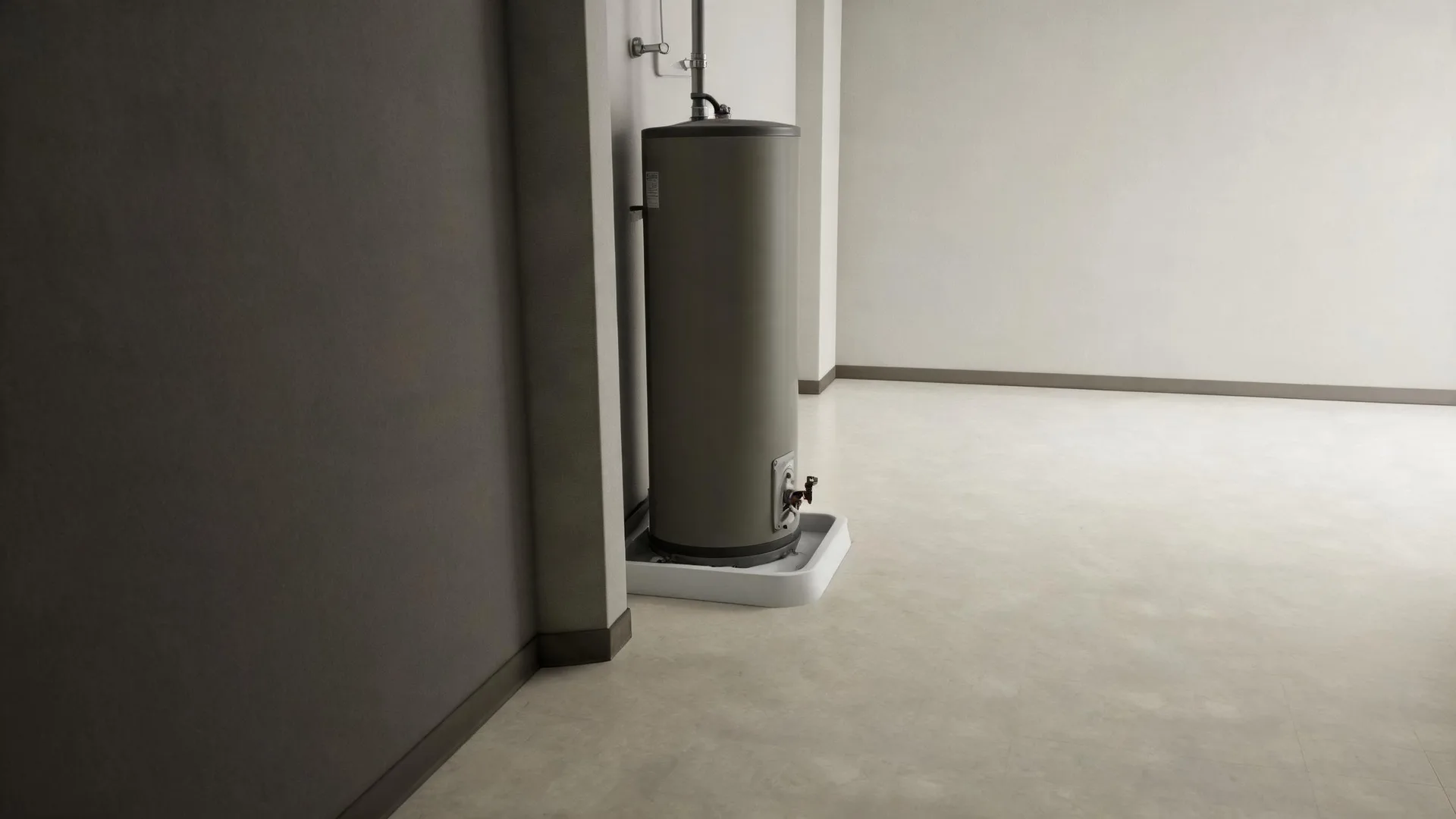
Gas water heater installation in Platte County starts with what is already in the wall. Utility gas heats more occupied homes in Platte County, Wyoming than any other fuel, at 53.1% (2020-2024 ACS 5-year). That share means most replacement jobs inherit an existing gas line, a flue, and a venting path that the new unit has to match or the contractor has to modify. Flue diameter, draft hood clearance, and combustion air openings are all sized to the appliance they were built for. Swap in a unit with a different input rating and those dimensions may no longer work, which is something a contractor confirms before the old heater comes out.
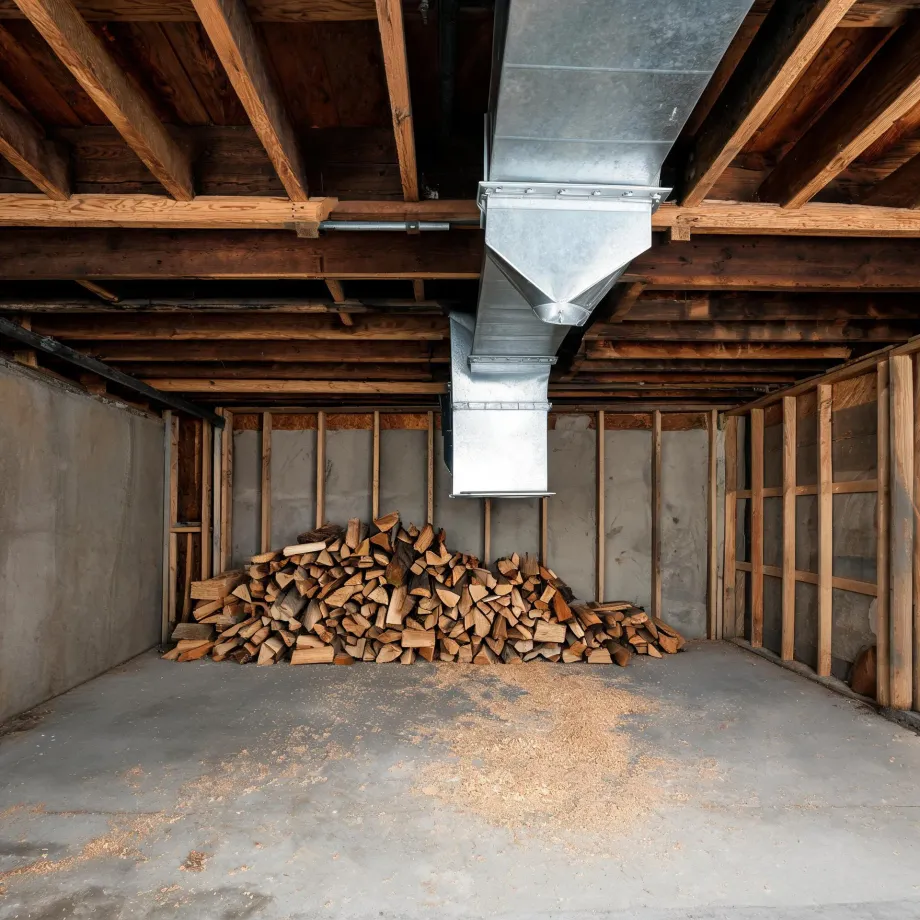
The ductwork and electrical service in a house are what a water heater installation actually turns on, and in Platte County those elements often reflect choices made for equipment long gone. Half the homes in Platte County, Wyoming were built in 1976 or earlier (2020-2024 ACS 5-year). That means the infrastructure a contractor finds behind the walls was put in for something other than what is there now, and whether it suits the replacement is a question answered on-site, not from a spec sheet. A contractor who skips that step quotes the unit and not the job.
What a Water Heater Installation Covers
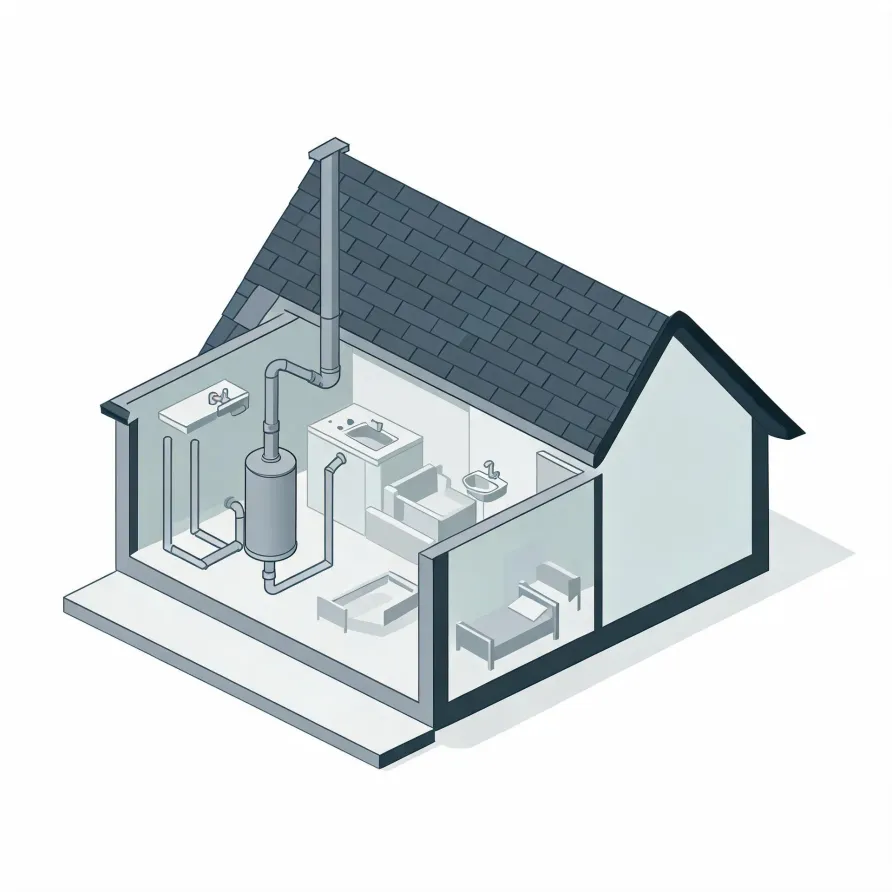
The tank or tankless unit itself sits in a utility area, basement, or closet and is the piece doing the heating. A contractor sets the new unit in place, connects it to the cold supply line that feeds it and the hot line that carries water out to the rest of the house, and secures the flue or exhaust vent that routes combustion gases outside.
The pressure relief valve mounts directly on the unit and releases if pressure inside climbs too high. A drain pan sits underneath to catch any discharge, and the shutoff valves on the supply lines let a contractor isolate the unit without cutting water to the whole house.
The drawing shows the general layout of these components, and a licensed contractor determines exactly what applies to your home.
Find a contractor in Platte CountyPlatte County, Wyoming, by the numbers
905 severe weather events were recorded in Platte County, Wyoming between 2015 and 2024.
NOAA National Centers for Environmental Information, Storm Events Database, bulk CSV export, events 2015-01-01 through 2024-12-31.Half the homes in Platte County, Wyoming were built in 1976 or earlier (2020-2024 ACS 5-year).
U.S. Census Bureau, 2020-2024 American Community Survey 5-Year EstimatesPlatte County, Wyoming holds 4,688 housing units (2020-2024 ACS 5-year).
U.S. Census Bureau, 2020-2024 American Community Survey 5-Year EstimatesOwners occupy 76.1% of the occupied homes in Platte County, Wyoming (2020-2024 ACS 5-year).
U.S. Census Bureau, 2020-2024 American Community Survey 5-Year EstimatesSevere Weather Events in Platte County
Water heaters work harder when outdoor conditions swing hard, and Platte County's climate puts real stress on equipment over time. How often that stress arrives is a local fact, and it shapes what a water heater installation here needs to handle.
905 severe weather events, 2015–2024. Source: NOAA National Centers for Environmental Information, Storm Events Database.