Tell us about the job
Takes about a minute. No obligation.
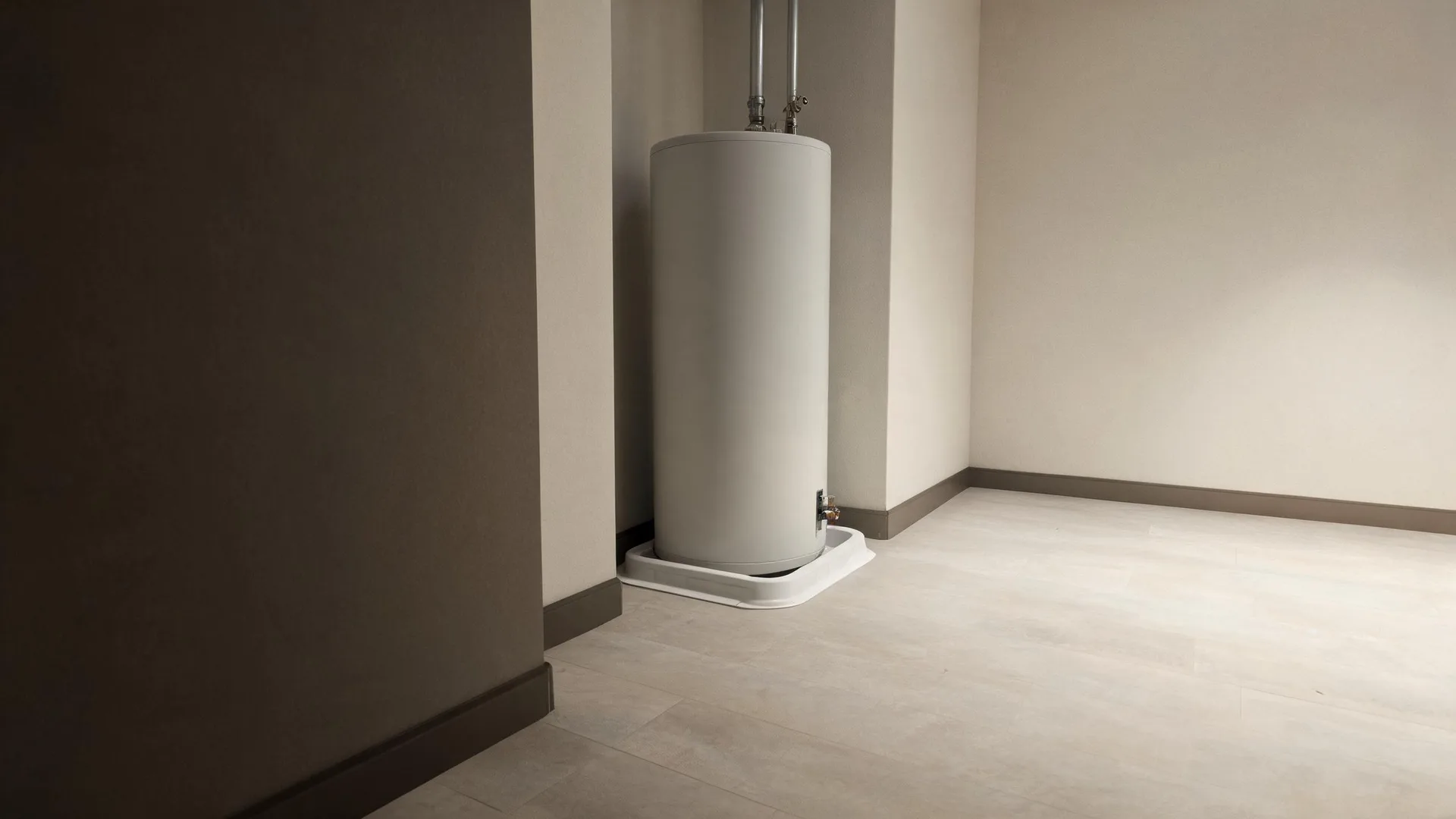
A contractor quoting a gas water heater in Goshen County starts with the existing venting, not the appliance itself. Utility gas heats more occupied homes in Goshen County, Wyoming than any other fuel, at 53.6% (2020-2024 ACS 5-year). That dominance means the gas supply, the flue path, and the combustion air opening have all been living conditions in most of these homes for years, and each of those elements has its own state of wear or code compliance by the time a replacement is needed. A licensed installer checks all three before the new unit is sized, because a heater matched to the wrong venting configuration performs below its rating and may fail a safety inspection.
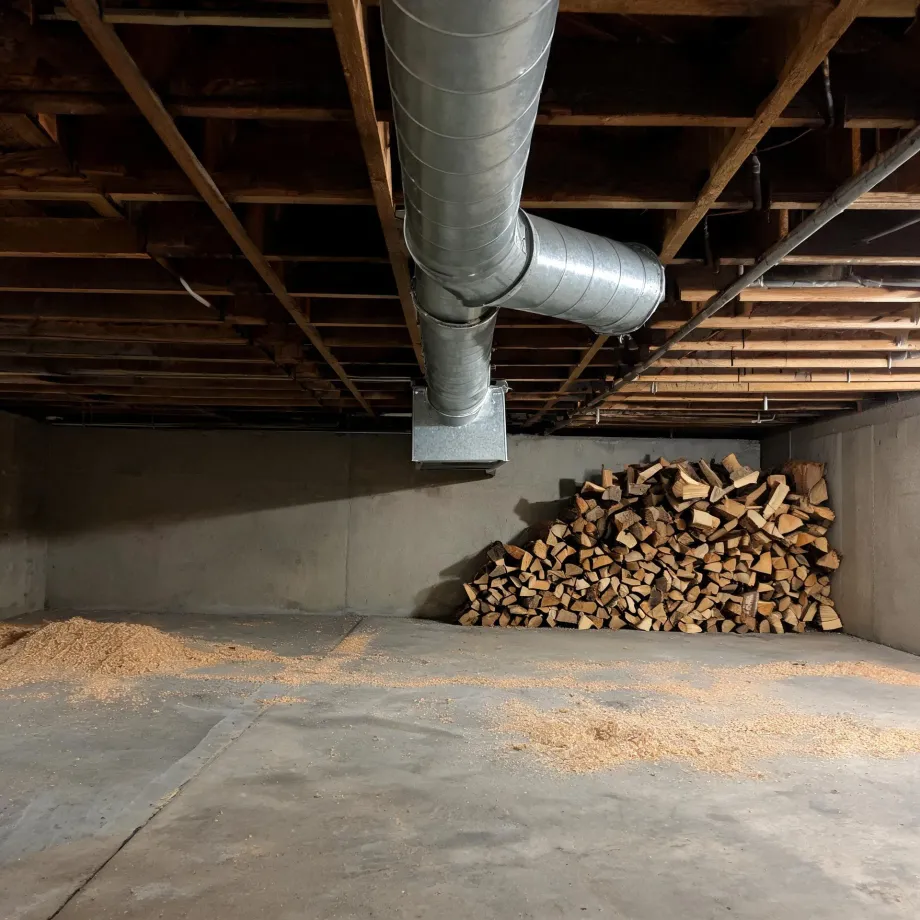
Electrical service panels in much of this county were sized for loads that predate what a modern water heater draws. Half the homes in Goshen County, Wyoming were built in 1971 or earlier (2020-2024 ACS 5-year). A contractor installing a new unit here checks whether the existing panel can support it before the equipment choice is settled, because a box that ran the original appliances adequately can still fall short of current demands. If the panel needs an upgrade, that work gets scoped and priced alongside the water heater, not after it arrives.
What a Water Heater Installation Covers
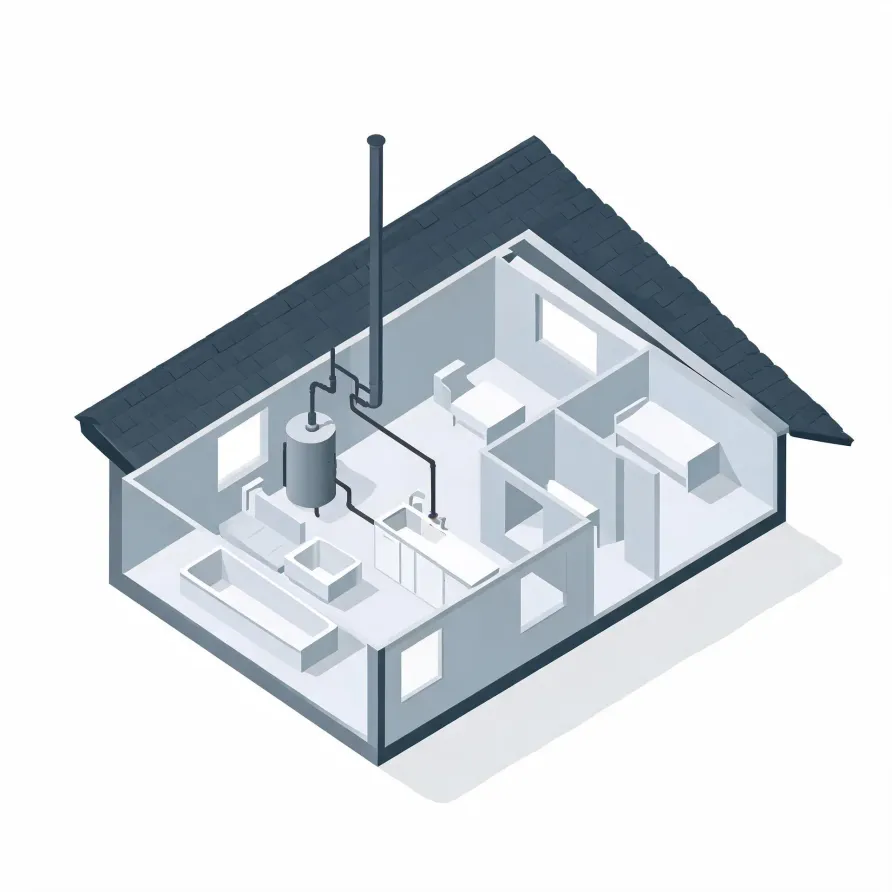
The tank or tankless unit itself sits in a utility area, basement, or dedicated closet and is the piece that heats and holds your water. Attached to it are the inlet and outlet connections that pull cold water in and send hot water out to the rest of the house. A pressure relief valve mounts directly on the unit as a safety device.
The flue or exhaust vent runs from the unit up and out of the house, carrying combustion gases away on gas-fired models. A dedicated supply line and shutoff valve connect to the unit at the water inlet, and the gas line or electrical connection feeds it from the home's existing supply.
The drawing shows a typical layout, and a licensed contractor determines what the work involves in your specific home.
Find a contractor in Goshen CountyGoshen County, by the numbers
343 severe weather events were recorded in Goshen County, Wyoming between 2015 and 2024.
NOAA National Centers for Environmental Information, Storm Events Database, bulk CSV export, events 2015-01-01 through 2024-12-31.Half the homes in Goshen County, Wyoming were built in 1971 or earlier (2020-2024 ACS 5-year).
U.S. Census Bureau, 2020-2024 American Community Survey 5-Year EstimatesGoshen County, Wyoming holds 5,856 housing units (2020-2024 ACS 5-year).
U.S. Census Bureau, 2020-2024 American Community Survey 5-Year EstimatesOwners occupy 73.2% of the occupied homes in Goshen County, Wyoming (2020-2024 ACS 5-year).
U.S. Census Bureau, 2020-2024 American Community Survey 5-Year EstimatesSevere Weather Events in Goshen County
Goshen County's climate puts real demands on water heating equipment, and those demands vary with how hard the weather runs in any given year. A water heater sized and installed for local conditions handles that variation better than one spec'd without it.
343 severe weather events, 2015–2024. Source: NOAA National Centers for Environmental Information, Storm Events Database.