Skip calling around
Why you run out of hot water fast in Wyoming
Running out of hot water fast usually means something in the tank is failing, not that your family suddenly needs more of it. With gas water heaters, the cause is often down to one or two parts. This page gets into what causes it and what a repair involves, so you skip searching around and explaining the problem to a string of different companies.
Start one formRunning out of hot water fast usually comes down to the burner not keeping up or the tank losing its heat before you're done with it. Most water heaters in Wyoming run on gas, and in a gas tank the common cause is a failing burner assembly, a bad thermocouple, or sediment built up on the bottom of the tank insulating the burner from the water above it. Any of those means the burner cuts out early, runs weak, or has to work harder to heat the same water, so the tank never fully recovers between uses. A dip tube that's broken or cracked can do it too, by mixing cold incoming water into the hot water near the top of the tank instead of pushing it to the bottom. None of this means you need a bigger tank. It means something specific in this one needs to be found and fixed, and that takes someone who works on gas water heaters regularly enough to know which of these it usually is before they even open the panel.
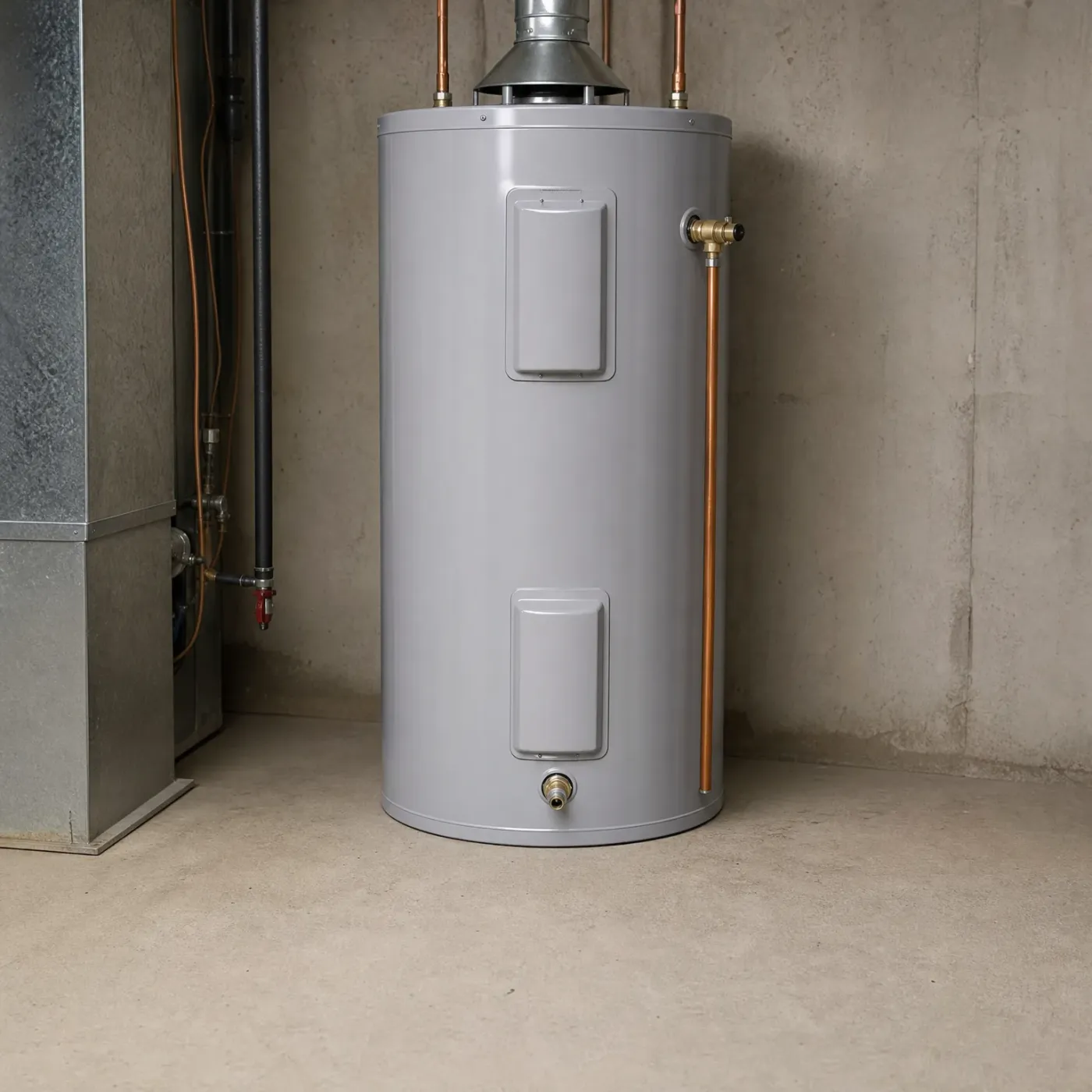
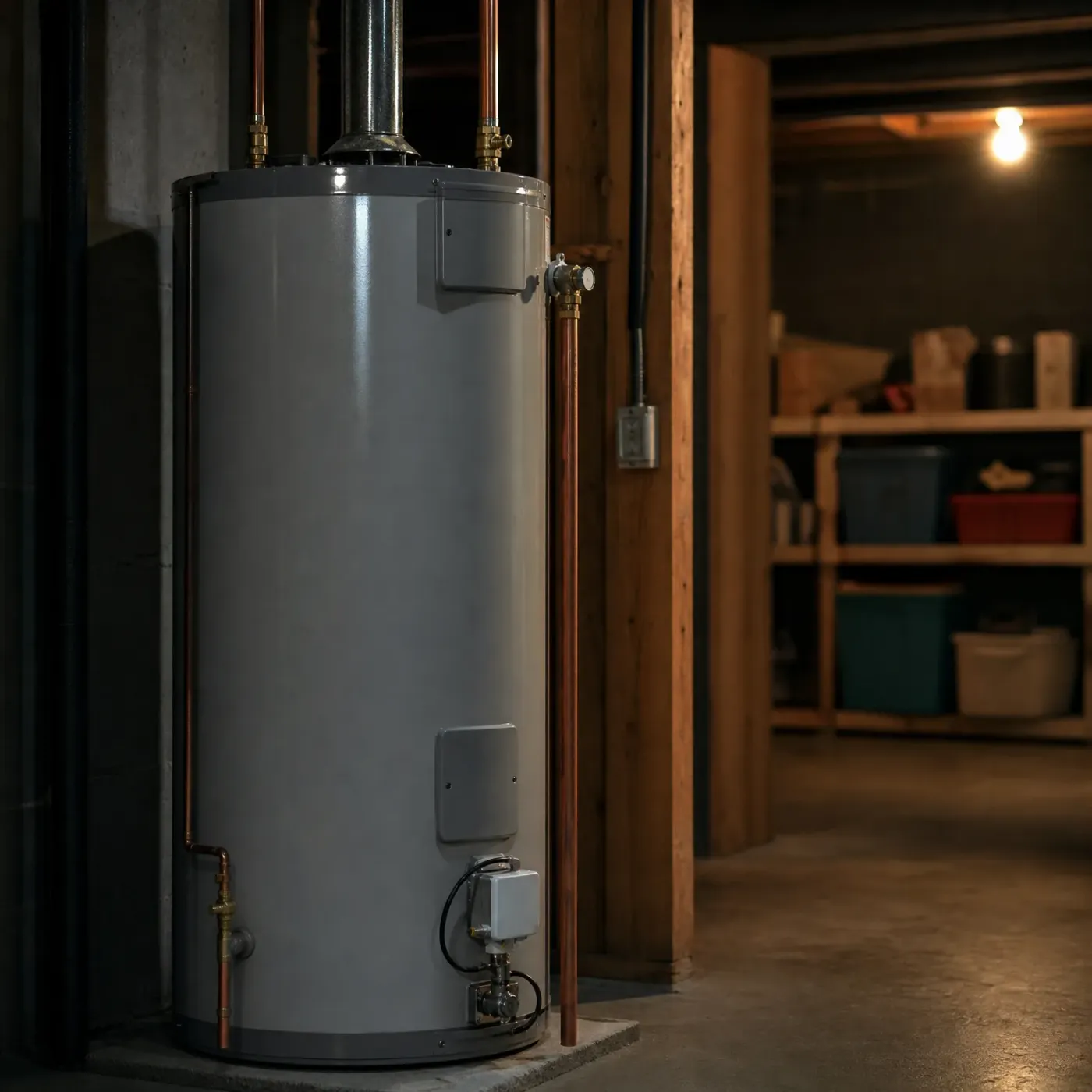
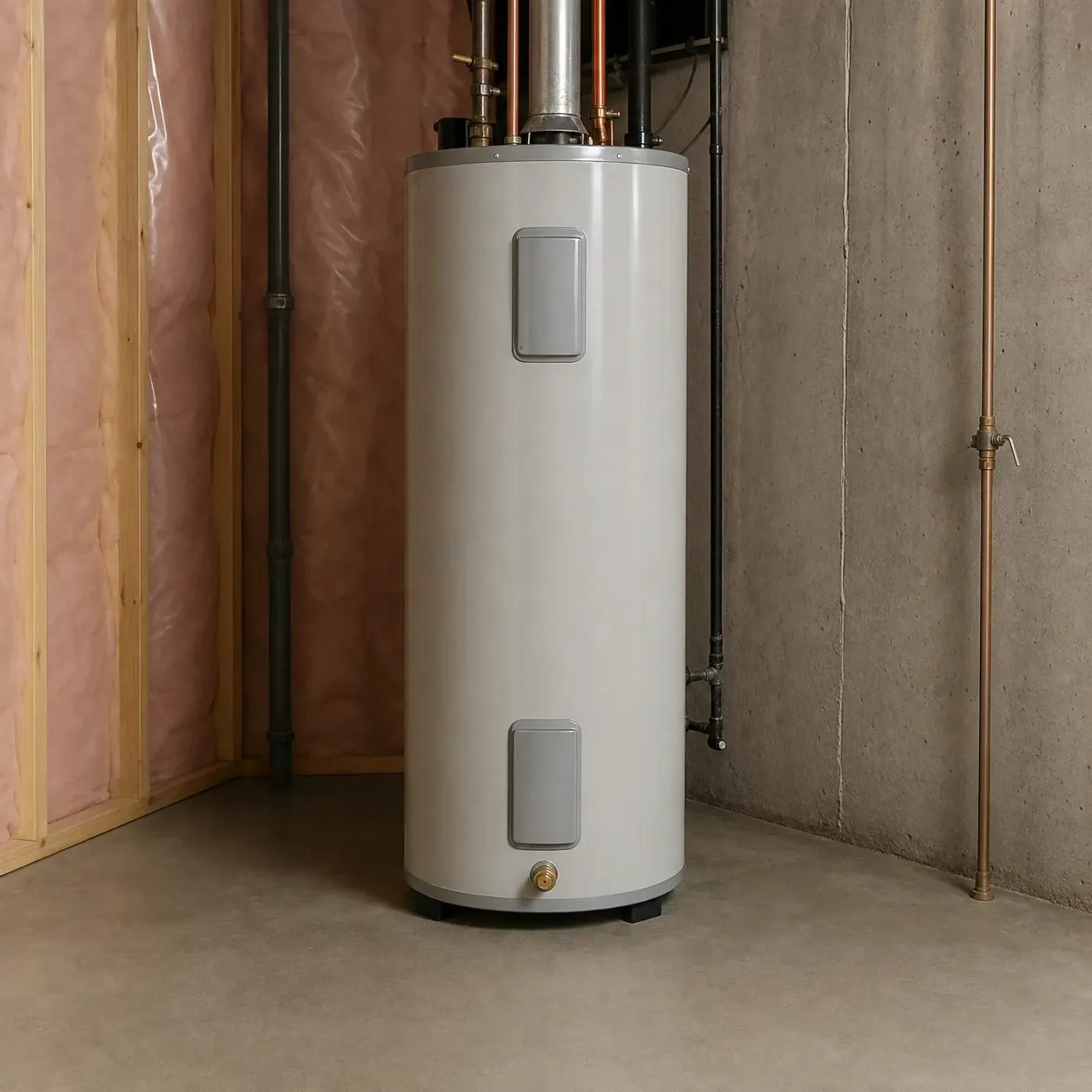
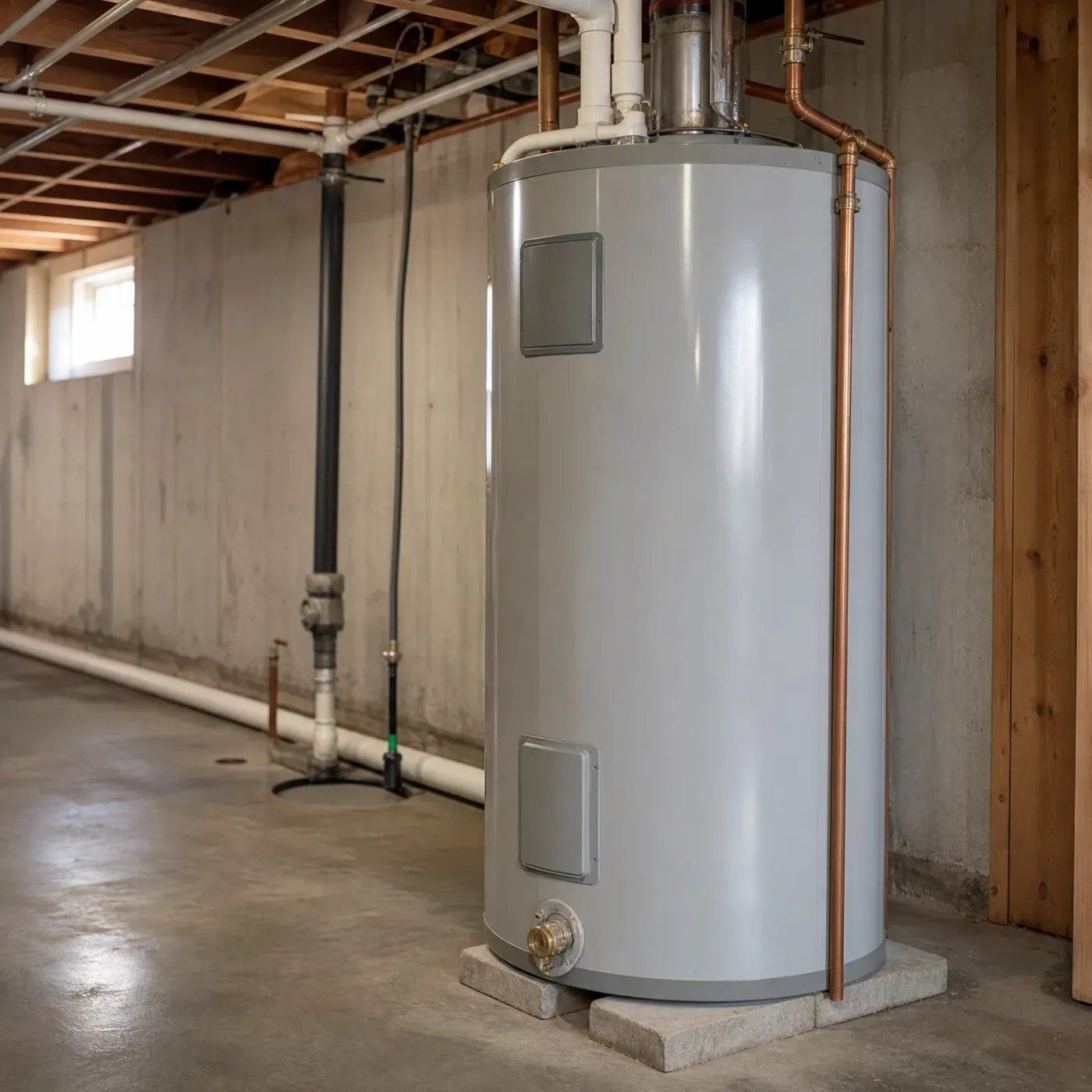
A gas water heater fills from the bottom and draws hot water off the top. That bottom fill comes in through a dip tube, and if that tube cracks, cold water mixes straight into the hot layer instead of staying underneath it. The burner underneath is what's supposed to keep ahead of that draw. It only runs when the thermocouple confirms the pilot is lit, so a weak thermocouple can shut the valve down before the tank is actually hot. A burner that lights halfway, or cuts on and off instead of holding a steady flame, can't recover heat as fast as a shower or a load of dishes uses it. Sediment on the tank bottom makes that worse, since it sits between the burner and the water and soaks up heat that should be going into the tank. The gas valve's thermostat is reading water temperature the whole time, and if it reads wrong, it calls the burner off before the tank is actually full of hot water. On top of all that, your tank's size only gives you so much before the burner has to catch up regardless.
How a gas tank actually runs out
- Gas water heaters mix cold water into the tank from the bottom through a dip tube while hot water draws off the top, so a cracked dip tube lets cold water short-circuit straight to the outlet.
- The thermocouple sits in the pilot flame and tells the gas valve the pilot is lit, and once it weakens the valve shuts gas to the burner and the tank never gets back up to temperature.
- A gas burner that only partly lights, or cycles on and off instead of running a full cycle, heats the tank slower than the household is drawing water out of it.
- Sediment settling on the bottom of the tank sits between the burner and the water above it, so the burner spends its heat warming sediment instead of water.
- The thermostat on a gas valve reads the water temperature and shuts the burner off once it thinks the tank is satisfied, and a thermostat reading wrong will shut the burner off early.
- Tank size sets a hard ceiling on how much hot water is available before the burner has to catch back up, and a burner problem lowers that ceiling further.
Describe it once
Only one pro gets your request, so you hear from one company.
Fill out one short form instead of calling around.
No fee to send it, and nothing to sign.

Noticing it sooner than you'd like
You notice it in small ways first. The second shower of the morning turns lukewarm, then the dishwasher runs a cycle on water that should've been hot. By evening, running a bath means waiting longer and still not getting it hot enough. A tank that's failing doesn't usually quit all at once. It just gives you less each day until the gap between what you need and what it delivers is impossible to ignore.
Left alone, a bad burner or a cracked dip tube doesn't fix itself, and the gas bill doesn't drop just because the water's colder. Instead of searching through contractors, calling a few, and explaining the same problem over and over to get quotes you then have to compare, you can describe what's happening once and get matched with a local contractor licensed to work on gas water heaters in Wyoming, someone who sees this particular failure every season and knows which part is behind it before they even open the panel.





Is your hot water running out faster than it used to?
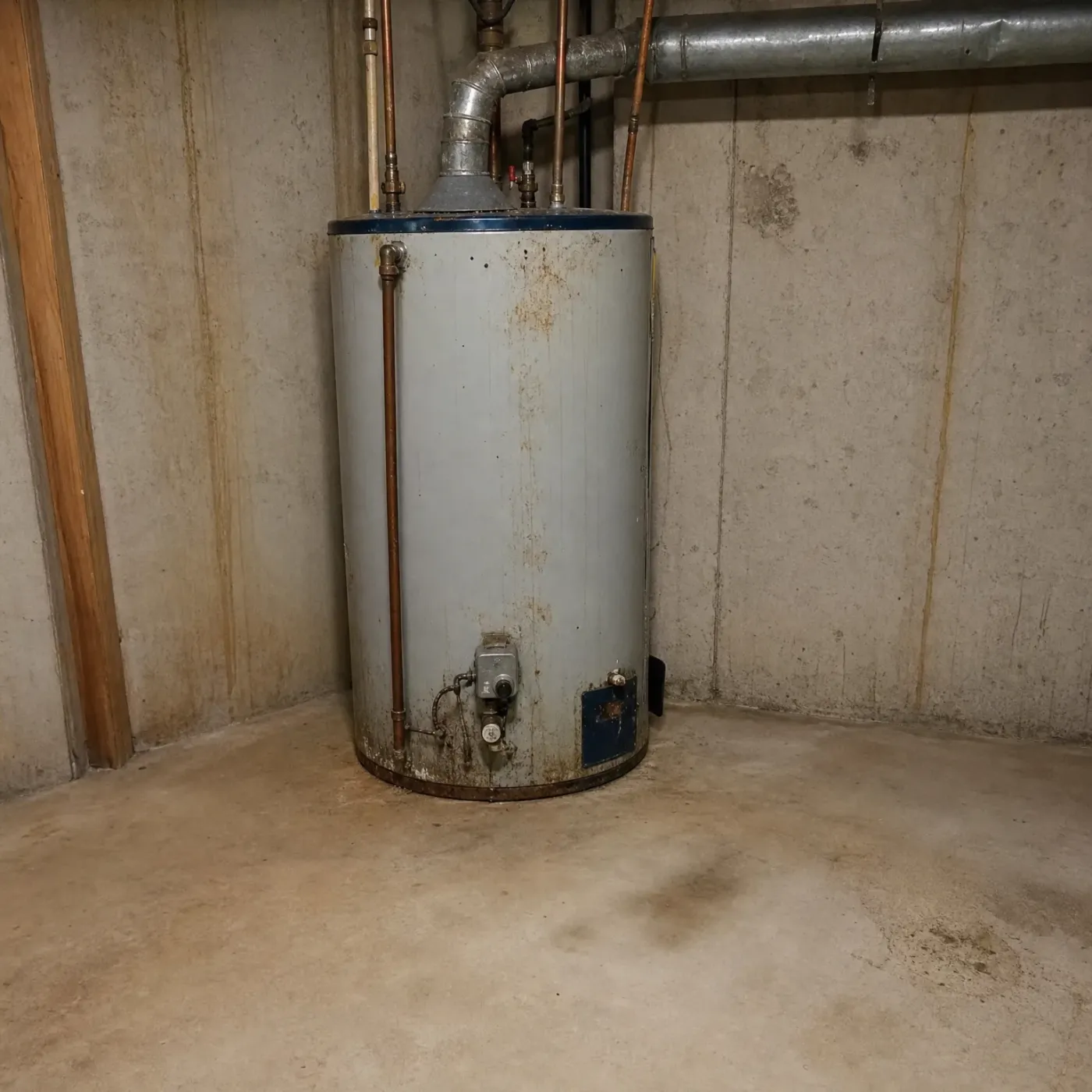
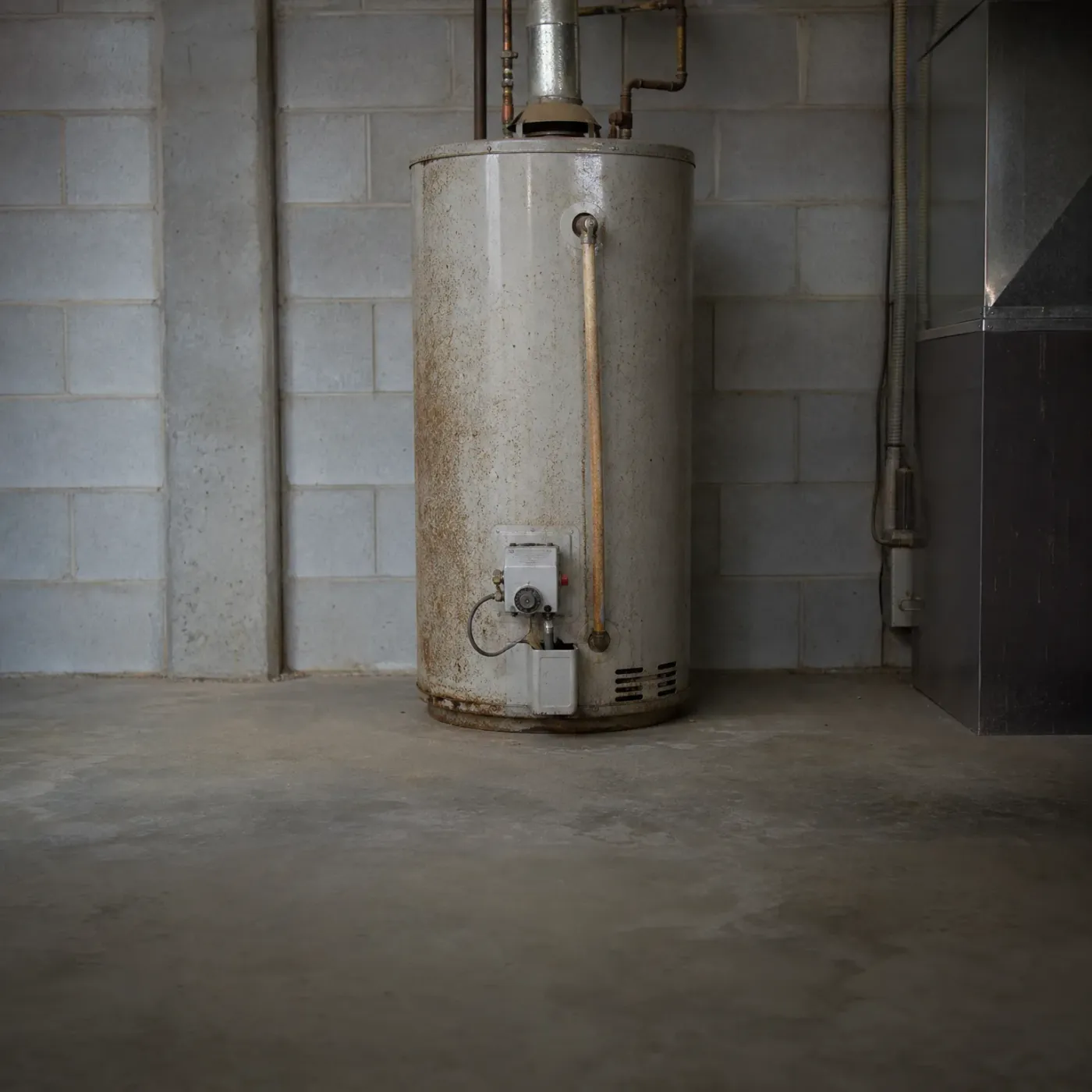
You'll notice it at the tap first. Water that was hot a few weeks ago turns warm, then cool, before you're done rinsing. Someone showers after you and gets nothing. You might hear the burner cycling on and off more than it used to, or notice it takes longer to recover between uses. Check the floor around the tank and the area underneath it for rust or a damp spot. If the steel is rusting through, the tank is losing capacity for good, not just running behind, and it will keep getting worse until it's repaired.

A contractor checks the thermocouple reading at the pilot flame.
The burner assembly gets inspected for soot or uneven flame.
The dip tube is checked for cracks letting cold water mix in.
The tank gets tested for sediment buildup blocking full heating.
59% of homes statewide heat with gas
Most houses in Wyoming heat water with gas, same as yours probably does. That means when the hot water runs out early, the usual suspects are the thermocouple, the burner, or the dip tube, not a heating element like an electric tank would have.
ACS 2020-2024 5-year B25040
Where This Leaves You
- Running out of hot water fast almost always traces back to the thermocouple, the burner, or the dip tube.
- A gas tank that can't hold temperature through a shower has a failing part, not a family that's outgrown it.
- Rust on the tank or soot on the burner are both signs the tank is already losing ground.
- A contractor checks the thermocouple reading, inspects the burner flame, and tests for sediment or a cracked dip tube.
- Catching it early usually means a repair instead of a full tank replacement.
A gas tank that runs out of hot water early is telling you something specific. It's not your family using more than it used to. It's the thermocouple reading low, the burner not holding a clean flame, or a cracked dip tube letting cold water mix straight into the hot side. Sediment sitting on the bottom of the tank does the same thing, insulating the burner from the water it's supposed to heat. Rust on the tank, soot around the burner, a pilot that won't stay lit: each of these points at a part, not a mystery. A contractor who works on these tanks every week in Wyoming knows which of these to check first, because gas tanks fail in a short list of ways and this is that list. Finding that part and fixing it is usually enough. It's not a sign the tank is done for, and it's rarely a reason to replace the whole unit. Where it gets expensive is waiting, because a tank that's already losing ground doesn't hold steady. It keeps giving you less hot water, not more, until the part that's failing finally fails all the way. Caught early, with the right part identified, this is a straightforward repair. The tank keeps doing its job for years after, same as it did before whatever's failing started to go.


Water Heater Repair
No phone calls to make
Your request stays with one local pro.
