

How long a water heater lasts in Wyoming
One request ends the search for a water heater installer.
I'm done searchingHow long does a water heater last in Wyoming?
You want a number before yours gives out, not after. Maybe it's making a noise, or the pilot's acting up, or it's just old and you're wondering if you've got a year left or five. With winters here hard on everything that runs, you want to know where you stand before you're stuck with cold water and a houseful of people who need a hot shower.
Most water heaters in Wyoming last 10 to 12 years
Gas water heaters, which run most homes here, tend to wear out a little sooner than electric ones because the tank takes direct heat from the burner year after year. Hard winters push the unit harder too, since incoming water runs colder for months at a time and the heater works longer to bring it up to temperature. If yours came with the house, check the date on the manufacturer's sticker near the top of the tank. Past 10 years, a water heater can still run fine, but it's also past the point where a leak or a failure shows up with no warning.




Gas vs. Electric: Which Lasts Longer
Gas water heater
- A gas water heater usually runs 8 to 12 years before the tank itself gives out.
- The anode rod wears down first, and once it's gone the tank starts rusting from the inside.
- A gas unit keeps heating water through a power outage since a standing pilot needs no electricity.
- Sediment builds up faster in a gas tank because the burner sits right under it and heats the bottom hardest.
- Most homes in Wyoming run gas water heaters, so parts and service for them are easy to find.
- A failing thermocouple or a dirty pilot often shows up as a shorter lifespan than the tank was built for.
Electric water heater
- An electric water heater often lasts a bit longer, closer to 10 to 15 years, since there's no flame wearing on the tank.
- With power cheap here, running one costs less year to year than the fuel difference might suggest elsewhere.
- The upper and lower heating elements are the usual failure point, not the tank itself.
- After an outage, most electric water heaters come back on by themselves once the power's restored.
- An electric tank has fewer parts to go wrong, which can mean fewer service calls over its life.
- Dry summer heat doesn't wear on an electric unit any differently than it would on a gas one.
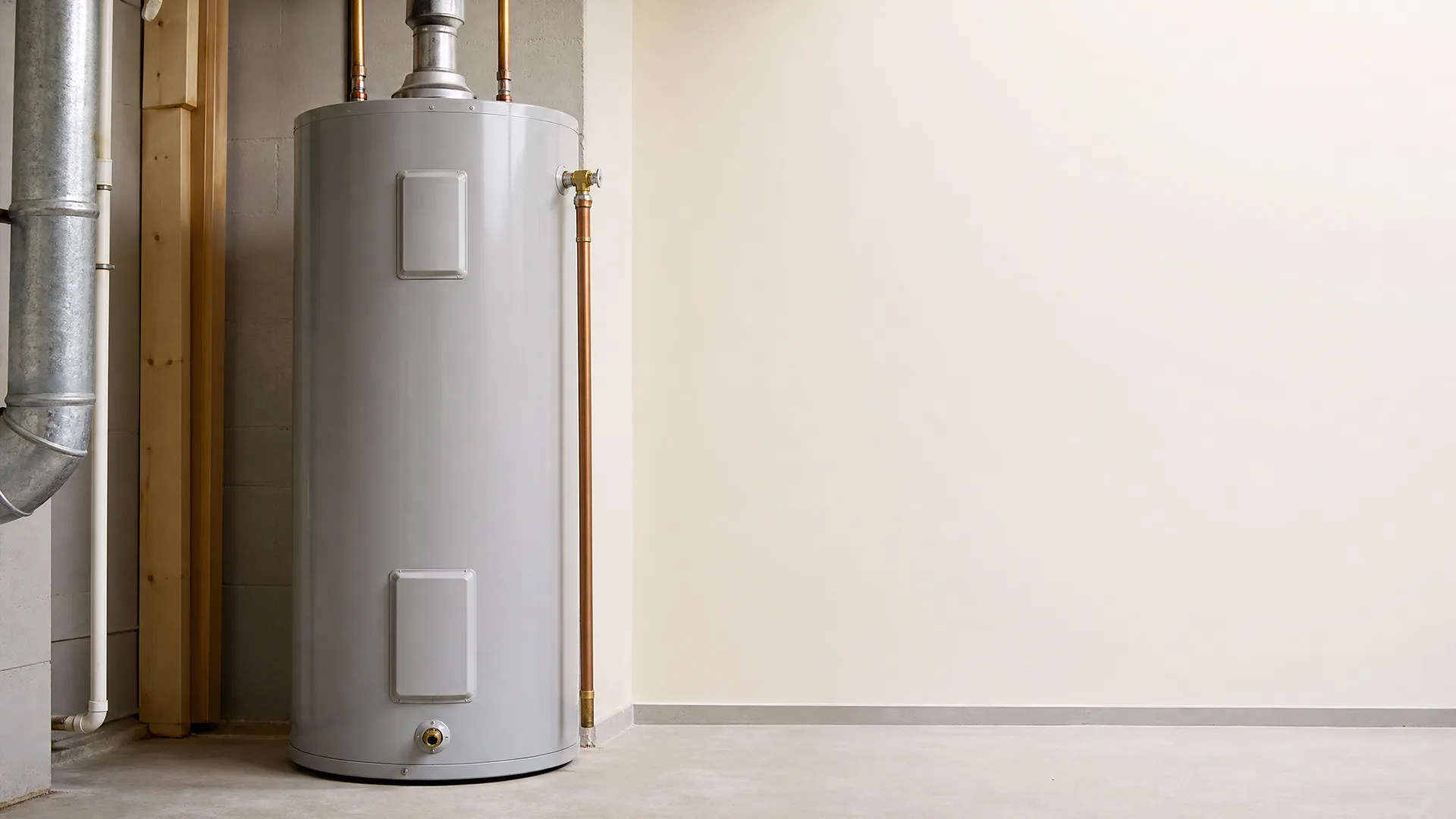
What actually ends the tank
The anode rod is the part doing the dying so your tank doesn't. It's a steel wire wrapped in magnesium or aluminum, bolted into the top of the tank, and it corrodes on purpose so the rust attacks it instead of the steel around it. Once it's used up, usually somewhere past the 8 to 12 year mark, there's nothing left to take the hit. That's when you start seeing rust-colored water or hear popping as sediment bakes onto bare steel.
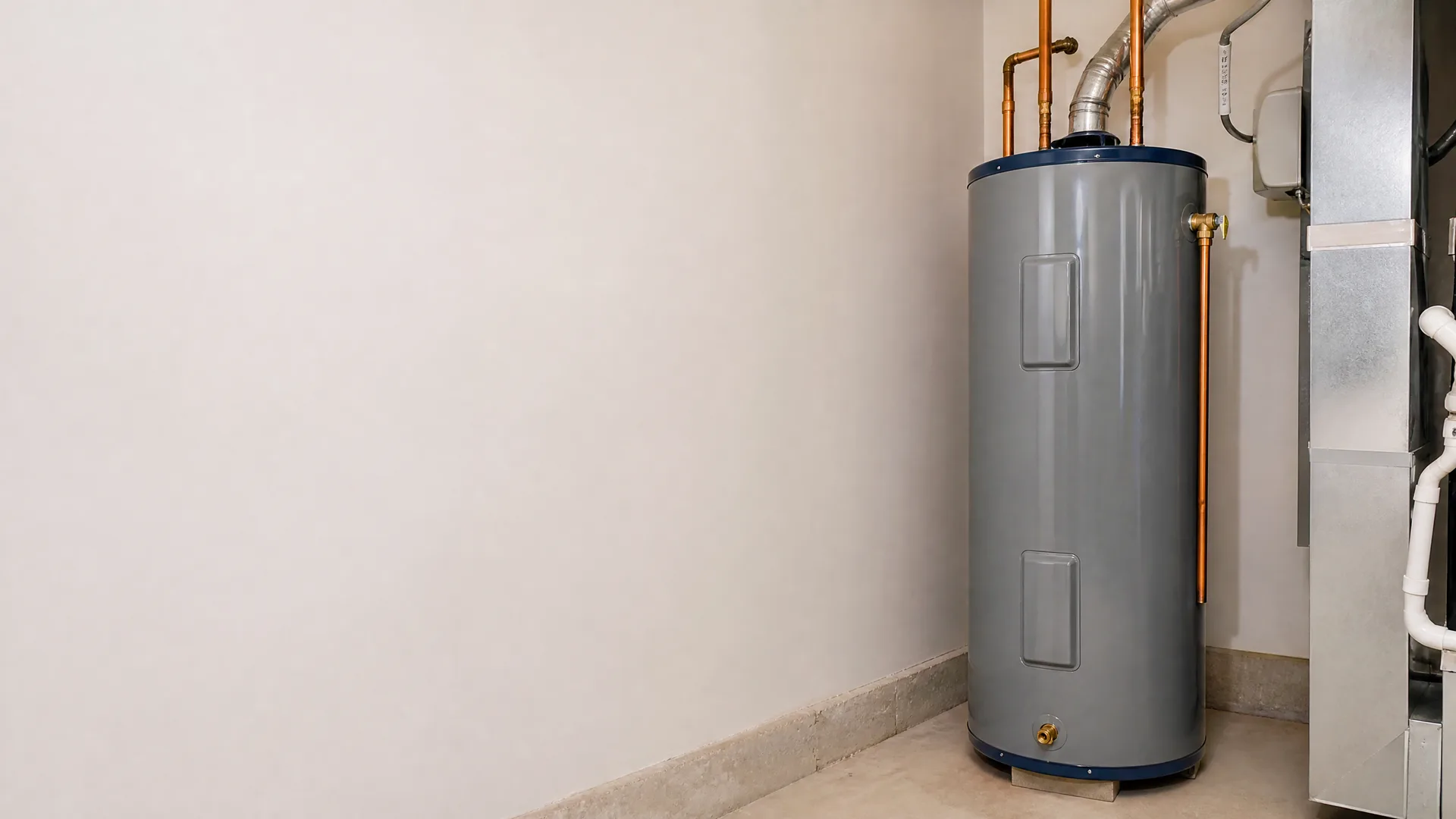
Why dry air doesn't save it
Wyoming's dry summers are easy on a lot of things around the house, but they don't touch what's happening inside a steel tank full of water all year. The anode rod corrodes at the same pace whether the air outside is dry or humid, since the reaction only depends on the water and the metal. What does affect the pace is how hard your water is and how often the heater actually runs, not the weather on the other side of the wall.
59% of homes statewide heat with gas
With most homes in Wyoming running gas, yours is probably a gas water heater, the kind where the burner and pilot wear out before the tank itself does. Keep an eye on the pilot and burner as the tank gets older, not just the tank.
ACS 2020-2024 5-year B25040
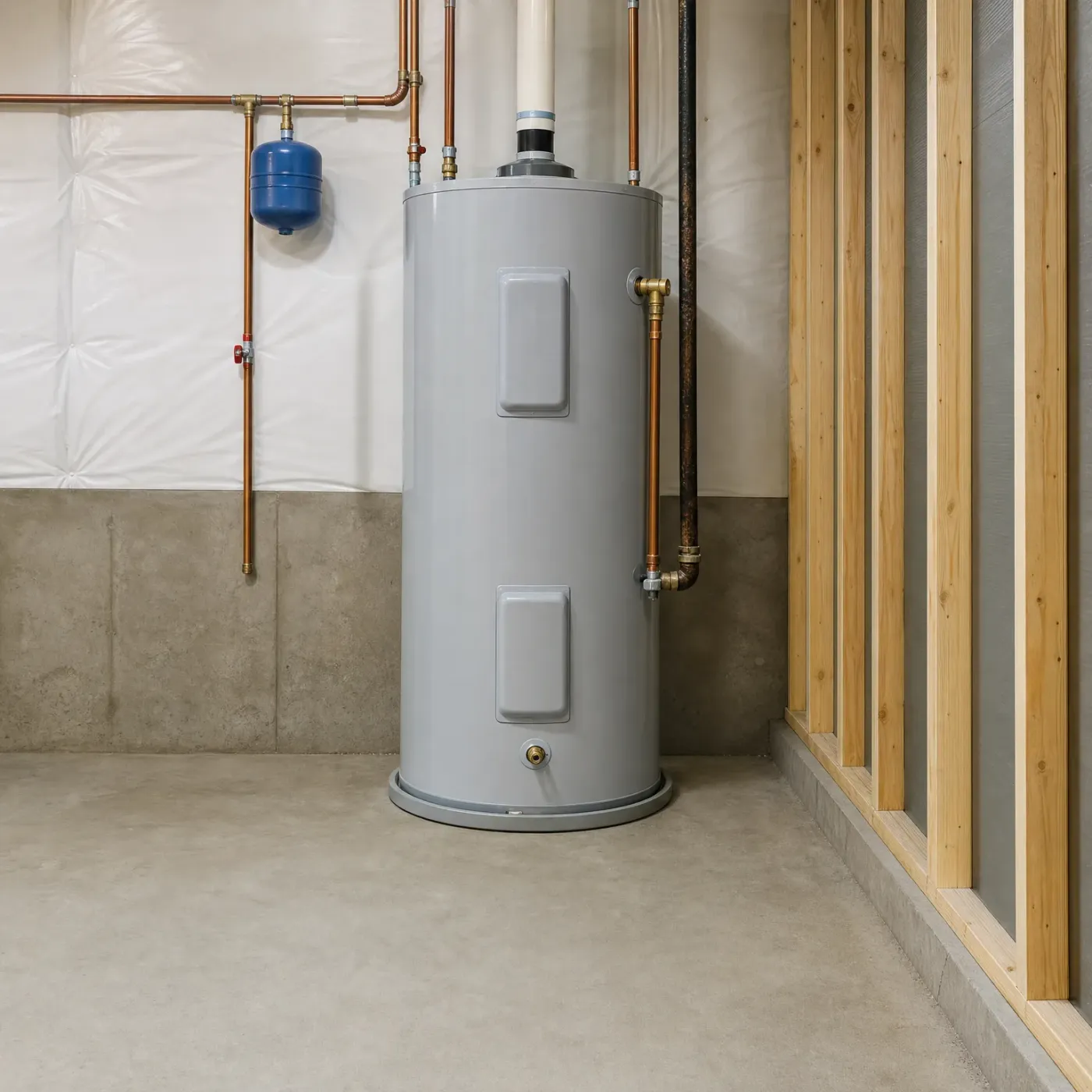
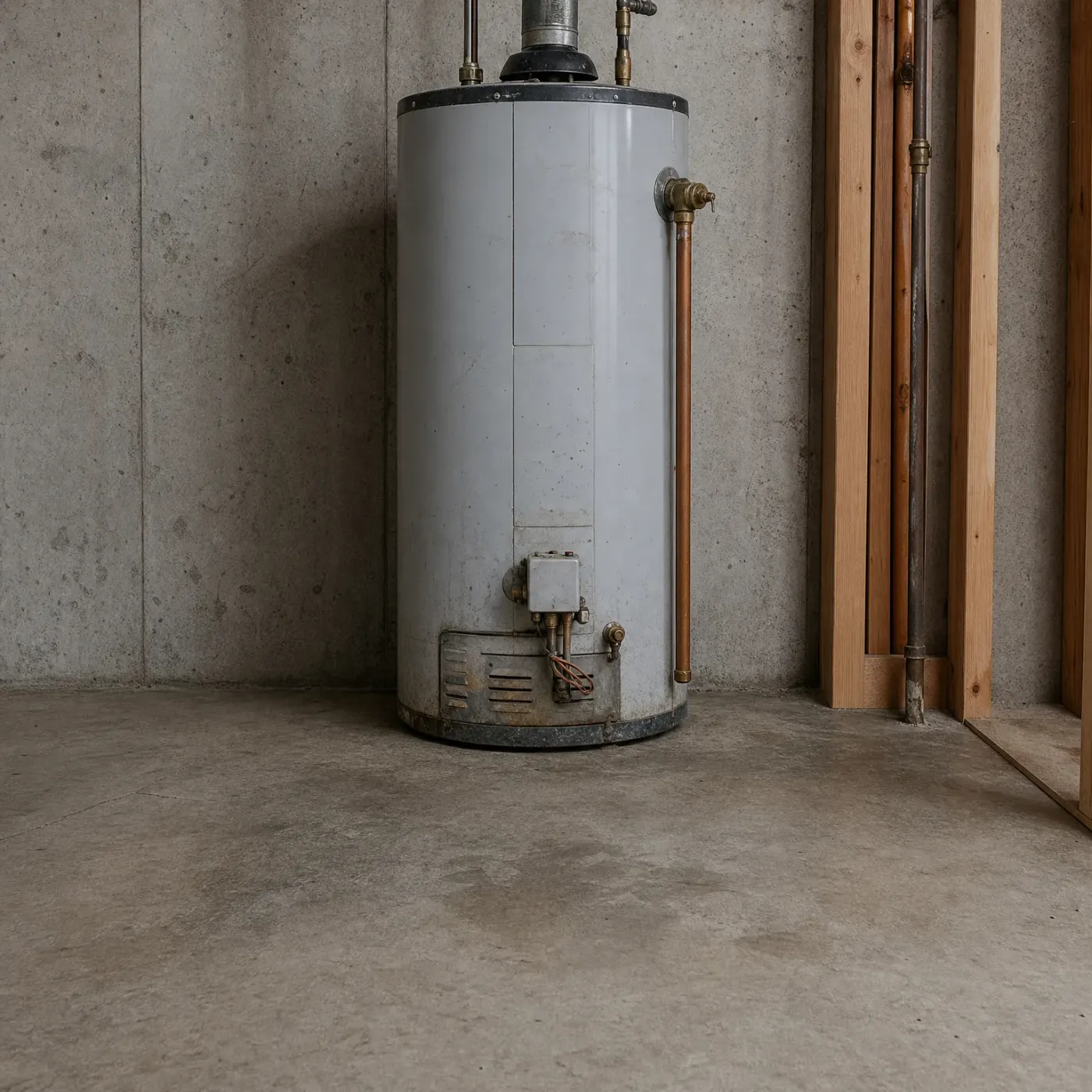

Cold water enters the tank and the thermostat calls for heat
Gas valve opens and the pilot lights the burner below the tank
Burner heats water until the thermostat shuts the gas valve off
Anode rod corrodes instead of the steel tank around it


Done looking for a water heater pro
Most gas water heaters in Wyoming make it 8 to 12 years, and once the anode rod is gone, the clock on the tank speeds up fast. If yours is already past that mark, or the pilot's getting fussy, or there's rust showing around the burner, you're not catching this early. You're catching it at the point where waiting costs you a flooded closet or a cold shower some January morning. Finding a licensed local contractor, one who knows gas water heaters and sees this failure every year, isn't the hard part anymore. The button above sends your request to one contractor near you, not a handful calling all afternoon. That's one less thing to sort out while you're dealing with a tank that's already telling you it's done.
What You Know Now
- A gas water heater in Wyoming typically runs 8 to 12 years before the tank itself fails.
- The anode rod goes first, and once it's spent, rust takes over the tank from the inside.
- Rust near the burner or a tank past 10 years old is worth having looked at before it leaks.
- A licensed local contractor who works on these tanks all year knows which ones are worth repairing and which aren't.
- Submitting the form connects you with one contractor for your area, not a string of calls from several companies.
Eight to twelve years is the honest range for a gas water heater here, and the anode rod is what decides where in that range yours lands. Once it's used up, the tank is on borrowed time, and no amount of flushing brings it back. If yours is already past ten years, or you've seen rust near the burner, that's worth a look now rather than after it's leaking onto the floor. A tank that's still quiet and clean at eight years might have a few good years left, but it's not getting younger, and checking costs you nothing but a few minutes. When it is time to call someone, you want a contractor who works on water heaters year-round in Wyoming, who's seen enough dead anode rods and rusted-out tanks to know within a minute or two of looking whether yours is worth repairing or whether you're better off replacing it before it fails on its own schedule instead of yours. Send the form and you're handed to one contractor, licensed and local, not a dozen companies competing for your number. That's one call to plan around, not five. You came here for a number, and now you have it, along with what actually decides whether your tank lands on the early end or the late one. What you do with those years left is the only part still up to you.

Water Heater Installation
It's off your list after this

- A local installer who puts in water heaters gets your project.
- A local pro who knows water heaters gets your details and gets in touch.

- Send the form and the search for an installer is over.
- Send the request and finding a pro stops being your problem.

- One form replaces the calls you'd make to find a water heater pro.
- Skip the round of in-home estimates for a new water heater.

- One installer gets your project, so there's no bidding war over it.
- The pro who reaches out is licensed in Wyoming.