Send the form and the search for an installer is over.
Most homes in Wyoming already heat with gas, and that's usually the simpler path when a water heater needs replacing. Gas recovers faster, so a tank of the same size keeps up better if your household runs through hot water back to back. If gas already runs to the spot where your water heater sits, staying with gas usually means less work than switching over.
Electric still has a place here. Power in Wyoming is cheap, and an electric water heater costs less to install when there's no gas line nearby to tie into. If your home doesn't have gas piped to it already, bringing gas in just for the water heater is a bigger job than installing electric where the wiring already exists.
Either way, the decision comes down to what's already run to that spot in your home, gas line or electrical circuit, and what your household actually uses in a day. A contractor looking at your setup in person can tell you which one gets you back to hot water with less disruption.
That's the part worth having someone else sort out. Instead of calling around to find out who installs water heaters near you, checking which ones do gas versus electric, and explaining your setup over and over on the phone, you can send one form and let that search become someone else's job. No more comparing quotes from three different companies or waiting on callbacks that don't come. Once it's sent, you're not the one tracking down who's available and who isn't anymore. That weight is off your plate, and the choice between gas and electric gets made with someone standing in your utility room, not guessed at over the phone.
Should I get a gas or electric water heater in Wyoming?
You're replacing a water heater and trying to decide between gas and electric before you call anyone. You want to know which one actually makes sense for a Wyoming house, not a generic rundown of pros and cons, so you can go into the decision already knowing what you'll ask for.
Gas is the better fit for most homes here
Most houses in Wyoming already have a gas line run to the water heater, since gas is how most homes here heat. That makes gas the simpler and usually cheaper install, because the new unit just connects to what's already there. Electric still works, and power here is cheap enough that running an electric tank won't punish your bill the way it might elsewhere. The real question is what's already feeding your current water heater. If it's gas, staying gas avoids the cost of adding wiring or a new circuit for an electric unit. If your home was built electric, switching to gas means running a gas line, which adds cost and work an installer has to plan for.
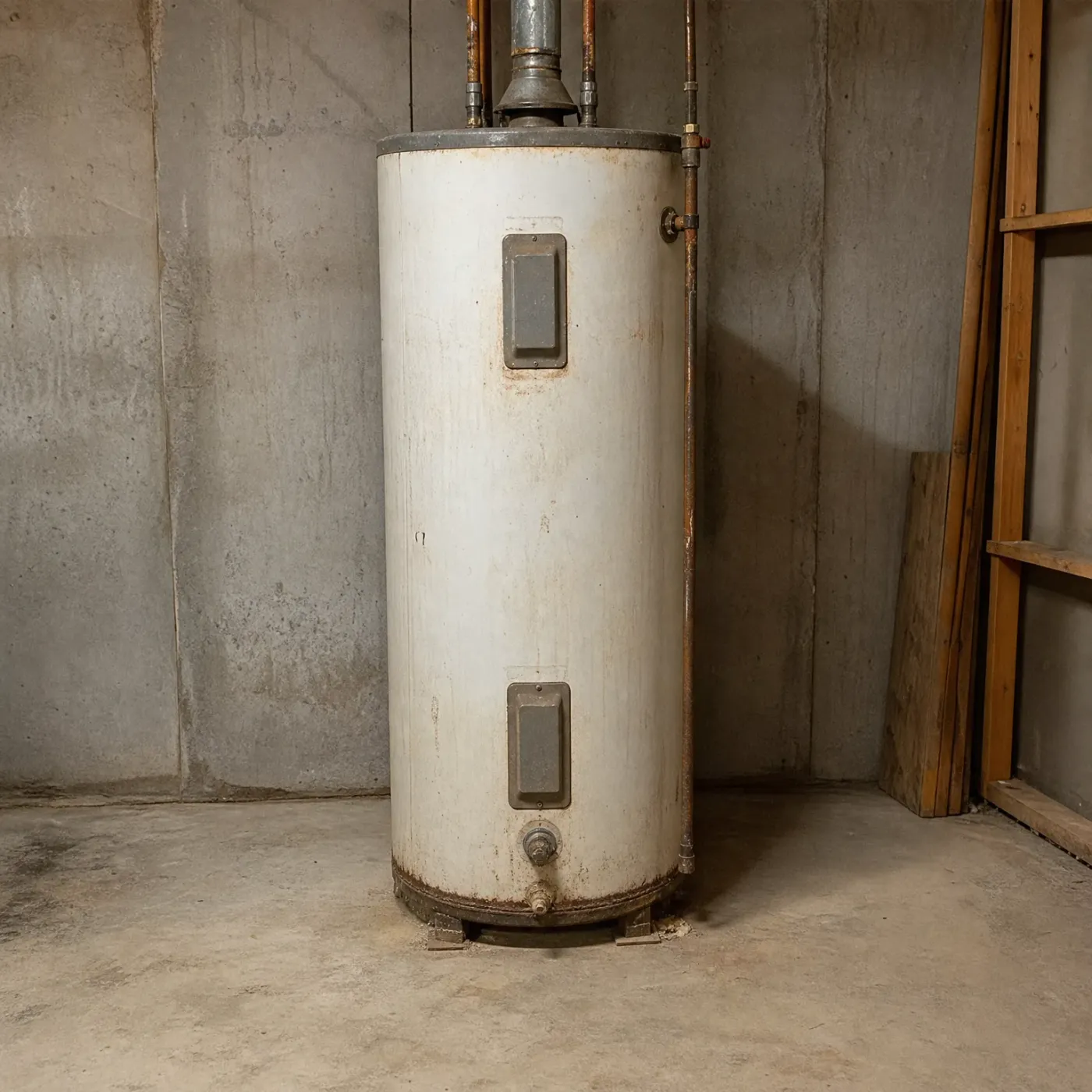
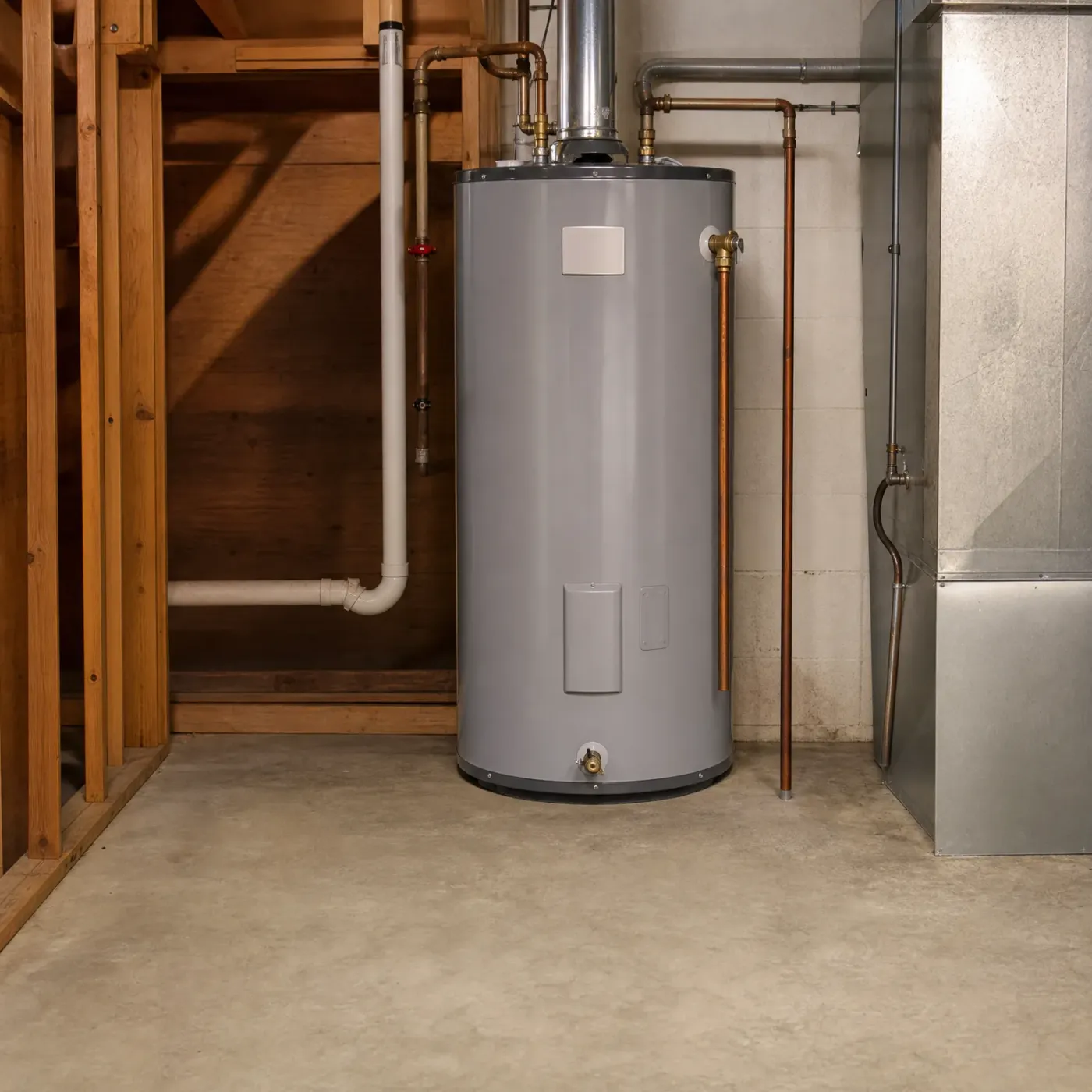
Before you get your water heater installationAfter you get your water heater installation
Most Wyoming homes already have a gas line run to the water heater, and sticking with gas means the new unit drops into the same spot without extra wiring or venting work. Switching to electric is possible, especially with power priced the way it is here, but it usually means an electrician gets involved too, and that's another person to find and schedule around. Either way, a water heater install isn't something to sit on once the old one starts failing. You could spend the next few evenings calling plumbers, asking who does gas versus electric, waiting on callbacks, and lining up quotes to compare. Or you could send one request and let that search become someone else's job instead of yours. You still decide what goes in. You just stop being the one who has to track down who can install it.
Why gas recovers faster
A gas burner heats the water in the tank directly, so a 40 or 50 gallon gas tank can satisfy back to back showers and a load of dishes without falling behind. An electric tank relies on heating elements that work slower, so an electric unit usually needs a bigger tank to match what a smaller gas tank can deliver. If your household runs through hot water in short order, that recovery speed is the difference you'll feel, not the label on the unit.
Where electric still makes sense
Power is priced well in Wyoming, so an electric water heater isn't the cost burden it is in a lot of other states. If there's no gas line already run to where the water heater sits, installing electric skips the venting and gas line work altogether. It also skips the yearly check a gas unit's venting and connections need to run safely. For a home without existing gas service, that simpler setup can outweigh the slower recovery.
If your gas water heater is nearing the end and you let it slide into winter, you're troubleshooting a cold shower with a repair truck booked out and a house full of people who need to get ready for work.
Swap it out before the first hard freeze and none of that happens. You pick the fuel type while you still have time to think it through, not while you're standing in a cold basement.
Gas water heater
Keeps the recovery speed you're used to, drops into the same spot as the old tank, and keeps your gas line doing the work it already does.
With most houses around you already piped for it, a replacement gas water heater is usually a straight swap, same spot, same vent, same line. That's one less decision to make when you're already planning ahead for the install.
ACS 2020-2024 5-year B25040
For most Wyoming homes, staying with gas is the straightforward call, and switching to electric is a real option only if you've already decided the tradeoffs are worth it to you. Either way, the answer comes down to what's already run to your water heater and how fast you want hot water back when the tank runs low. Once you know which one you want, the rest of the work is finding someone licensed to install it, and that's the part that eats an afternoon: looking up contractors, calling to see who's free, explaining the same situation to each one, then sitting with a stack of quotes trying to tell them apart. You've already done the harder thinking. You don't have to do that part too.
One request and it's handed off
Skip collecting and comparing quotes for the new water heater.